In KaiCode’26 we received 153 applications. After a three-phase review of them, the jury rewarded the following projects and the steering committee agreed:
 The RAprogramm/yew-nav-link project (6★),
a navigation-link library for the Yew framework in Rust with automatic active-state detection,
demonstrated perfect software development practices:
clean and idiomatic code,
requirements captured as formal specifications and architecture decision records,
strict static analysis (clippy, CodeQL, Scorecard, zizmor),
mutation, fuzz, and property testing with enforced 95% coverage,
an mdBook documentation site,
semantic-versioned releases with a maintained changelog,
protected branching,
and exemplary REUSE-compliant licensing.
Source files are small, meticulously documented, and every file carries SPDX headers.
$2048 was the reward.
The RAprogramm/yew-nav-link project (6★),
a navigation-link library for the Yew framework in Rust with automatic active-state detection,
demonstrated perfect software development practices:
clean and idiomatic code,
requirements captured as formal specifications and architecture decision records,
strict static analysis (clippy, CodeQL, Scorecard, zizmor),
mutation, fuzz, and property testing with enforced 95% coverage,
an mdBook documentation site,
semantic-versioned releases with a maintained changelog,
protected branching,
and exemplary REUSE-compliant licensing.
Source files are small, meticulously documented, and every file carries SPDX headers.
$2048 was the reward.
 The Ahoo-Wang/Wow project (296★),
a reactive CQRS and Event-Sourcing microservice framework built on Domain-Driven Design, written in Kotlin,
showed us an excellent codebase:
clean, modular DDD/CQRS design,
genuine multi-reviewer code review,
Testcontainers-backed integration testing,
enforced coverage thresholds and detekt static analysis,
a bilingual documentation site,
and a long history of semantic-versioned releases on Maven Central.
However, issue labeling is inconsistent across recent tickets.
$1024 was the reward.
The Ahoo-Wang/Wow project (296★),
a reactive CQRS and Event-Sourcing microservice framework built on Domain-Driven Design, written in Kotlin,
showed us an excellent codebase:
clean, modular DDD/CQRS design,
genuine multi-reviewer code review,
Testcontainers-backed integration testing,
enforced coverage thresholds and detekt static analysis,
a bilingual documentation site,
and a long history of semantic-versioned releases on Maven Central.
However, issue labeling is inconsistent across recent tickets.
$1024 was the reward.
 The ChopLogic/chop-logic-components project (5★),
a library of reusable React components and hooks written in TypeScript,
showed us awesome coding practices:
conventions enforced by Biome, Prettier, commitlint, and Husky git hooks,
mutation testing with Stryker on top of Codecov-tracked coverage,
a Storybook gallery published as a documentation site,
and semantic-versioned releases to npm with a maintained changelog.
However,
pull requests are self-merged by the sole author without review,
and licensing stops at a single MIT file, with no SPDX headers in the sources.
$512 was the reward.
The ChopLogic/chop-logic-components project (5★),
a library of reusable React components and hooks written in TypeScript,
showed us awesome coding practices:
conventions enforced by Biome, Prettier, commitlint, and Husky git hooks,
mutation testing with Stryker on top of Codecov-tracked coverage,
a Storybook gallery published as a documentation site,
and semantic-versioned releases to npm with a maintained changelog.
However,
pull requests are self-merged by the sole author without review,
and licensing stops at a single MIT file, with no SPDX headers in the sources.
$512 was the reward.
Steering Committee

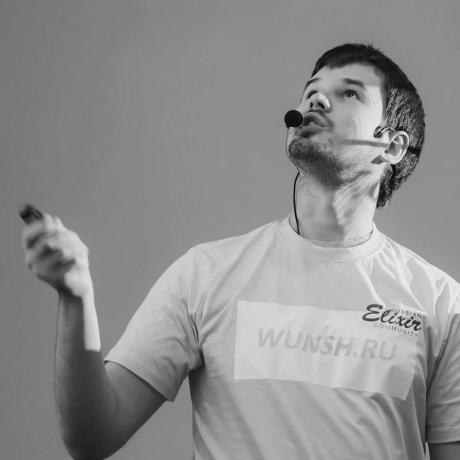
Jury
Each member of the jury reviews up to four projects. In each review we expect to see “good”, “average”, or “bad” mark in front of every quality dimension listed above. The sum of all marks constitute the final mark of a project.








Participants
We received 153 applications (excluding duplicates and broken submissions).
These are the projects that were submitted to us this year:
- 0x676e67/wreq
- 0xzhangke/fread
- abdallah-alwarawreh/pdfengine
- adamralph/minver
- ahmad9059/hyprflux
- ahoo-wang/wow
- aidarkdev/vidium
- aimclub/osa
- akinloluwami/avnac
- alexander-zuev/riposte
- aleyn97/nav3-helper
- algofly-oss/autolycus
- alirn76/panther
- amitmerchant1990/notepad
- androidpoet/supabase-kmp
- artemsen/swayimg
- astrosp/awesome-osint-list
- bitbank2/tiff_g4
- blueberrycongee/lumina-note
- bobotig/python-mss
- brufdev/many-notes
- callmearta/kite
- chengsokdara/use-whisper
- childrentime/reactuse
- choplogic/chop-logic-components
- chr233/purenga
- chrisryugj/korean-law-mcp
- cl91/neptuneos
- clariity/react-chessboard
- crdzbird/floaty_chatheads
- criticalflaw/tf2hud.editor
- debugst/stjson
- deryeger/yeger
- dmx-systems/dm6-elm
- duit-foundation/flutter_duit
- dukeluo/eslint-plugin-check-file
- edoardottt/cariddi
- elselawi/apexo
- emeiri/ogldev
- empiree/deftsharp.windows.input
- esengine/deepseek-reasonix
- expatjedi/cold-wallet-generator
- fan-ziqi/robot_lab
- faststream-community/zmqtt
- fawaz-ahmed/react-native-read-more
- febit/febit-rectify
- ferrismind/oxide-lab
- fhoedemakers/pico-infonesplus
- finmath/finmath-lib/
- flxapps/detoxdroid
- forge-sql-orm/forge-sql-orm
- forjrking/mvi
- gabrielzschmitz/fluvius
- geekwenjie/smartjavaai
- guseyn/ehtml
- hack23/cia-compliance-manager
- halildurmus/win32
- hanruihua/ir-sim
- hongmaple0820/mapleclaw
- hugo-fixit/fixit
- ircam-partiels/partiels
- issaafalkattan/react-landing-page-template
- ivaaaan/smug
- jaygajera17/e-commerce-project-springboot
- jcaromiq/goku
- jeffreytse/zsh-vi-mode
- jingmatrix/vector
- kando-menu/kando
- kenjdavidson/react-native-bluetooth-classic
- kernc/backtesting.py
- keycloakify/oidc-spa
- kimlimjustin/xplorer
- kin69/athena
- klura-ai/klura
- kohulan/chemaudit
- kohulan/decimer-image_transformer
- kr0oked/metronome
- kxxt/tracexec
- lallapallooza/citor
- lapis0x0/obsidian-yolo
- lissy93/dashy
- lujiajin/flashvsr-pro
- mansuf/mangadex-downloader
- masterking32/masterdnsvpn
- mikehibbert/pycampfirevalley
- misiektoja/instagram_monitor/
- mjishnu/pypdl
- moonshine-software/moonshine
- morevm/stylelint-plugin/
- musana/cf-hero
- n8henrie/fauxmo
- nanopb/nanopb/
- nanxiaobei/resso
- nethical6/digipaws
- nguyenphutrong/quotio
- nielsbasjes/modbus-schema
- nlipatov/tungo
- omnipin/omnipin
- open-discord-bots/open-ticket
- openvizai/openvizai
- optimajet/formengine
- orange-cpp/omath
- orhanayd/nonedb
- pacak/cargo-show-asm
- pasky/pachi
- phptg/bot-api
- pkill37/explorar.dev
- prayag17/blink
- prprod/ha-firemote
- raprogramm/yew-nav-link
- rdavid/shellbase
- restbusters/qreasp
- rocketmodfix/rocketmodfix
- rosalie241/rmg
- rus4j/numbify
- rust-osdev/uart_16550
- sassman/amoxide-rs
- self-xdsd/self-core
- setliteweb/radius-server
- shihuili1218/rssh
- sigmasd/stimulator
- skatkov/devtui
- speedyorc-c/words-trolley
- stepami/hydrascript
- stephenafamo/bob
- sysid/sse-starlette
- techtanic/discounted-udemy-course-enroller
- trizen/compression-util
- tsowell/wiremix
- unkindnesses/raven
- vakhokontridze/vcomponents
- vanloctech/youwee
- verisimilitudex/dnanalyzer
- veryl-lang/veryl
- wangjianhao222/openc
- wangjianhao222/openhtml
- wangjianhao222/openpython
- wjz-p/nekocrypt
- wljsteam/wljs-notebook
- worknenjoy/gitpay
- wxyhgk/retain-pdf
- xintaofei/codeg
- yashab-cyber/opendroid
- yezz123/authx
- youneslaaroussi/ui-buttons
- ytisf/thezoo
- zeromemoryex/chaos-rootkit
- zswatch/zswatch
After automated filtering, the following projects remained:
- choplogic/chop-logic-components
- orange-cpp/omath
- dukeluo/eslint-plugin-check-file
- 0x676e67/wreq
- duit-foundation/flutter_duit
- edoardottt/cariddi
- lissy93/dashy
- raprogramm/yew-nav-link
- skatkov/devtui
- stephenafamo/bob
- yezz123/authx
- ahoo-wang/wow
- moonshine-software/moonshine
- nielsbasjes/modbus-schema
- deryeger/yeger
- hugo-fixit/fixit
- aimclub/osa
- clariity/react-chessboard
- omnipin/omnipin
- stepami/hydrascript
- 0xzhangke/fread
- keycloakify/oidc-spa
- phptg/bot-api
- prayag17/blink
- rocketmodfix/rocketmodfix
- sigmasd/stimulator
- mansuf/mangadex-downloader
- rus4j/numbify
- criticalflaw/tf2hud.editor
- jingmatrix/vector
- open-discord-bots/open-ticket
- chr233/purenga
After manual review by the jury, these projects became candidates for the prize:
- choplogic/chop-logic-components
- orange-cpp/omath
- dukeluo/eslint-plugin-check-file
- 0x676e67/wreq
- duit-foundation/flutter_duit
- edoardottt/cariddi
- lissy93/dashy
- raprogramm/yew-nav-link
- skatkov/devtui
- stephenafamo/bob
- yezz123/authx
- ahoo-wang/wow
- moonshine-software/moonshine
- nielsbasjes/modbus-schema
Then, we asked our jury to review all projects manually. Every project was reviewed by two jury members. The details are here: kaicode-2026.xlsx
Sponsors

Organizers
These people organize KaiCode (in alphabetic order):